Tyler Home Foundation Repair connects homeowners in Tyler, Whitehouse, Lindale, Bullard, and the rest of Smith County with independent foundation repair contractors for cracked or sinking slabs, sagging pier and beam floors, house leveling, and the drainage problems that cause most of it. If doors have started sticking, cracks are spreading across brick or drywall, or a home inspector flagged the foundation, call to describe what you're seeing and set up a look at the house.
What foundation problems can you get help with in Tyler?
Most calls come from homeowners who noticed something change: a door that used to close and now drags, a crack that got longer over the summer, a floor that slopes toward one wall. Each service page explains what the work involves, when it's needed, and what changes the price in Tyler.
Slab Foundation Repair
Cracked, sinking, or tilting slabs lifted and supported, plus the drainage and plumbing checks that keep a repair from failing.
Pier and Beam Foundation Repair
Sagging floors, settled piers, and rotted sills and beams under older Tyler homes, fixed with shims, new supports, and framing repair.
House Leveling
Bringing a house that settled unevenly back up, with elevation readings before and after and honest expectations about level.
Foundation Inspections
A look at cracks, slopes, and sticking doors before you buy, sell, or pay for repairs, with an engineer's report when one is needed.
Foundation Drainage
Gutters, downspout extensions, grading, and French drains that keep East Texas rain from soaking one side of the foundation.
Not sure which one fits? That's normal. Most people don't know whether their house sits on a slab or on piers until someone checks. Call and describe the symptoms, and the first visit sorts out what kind of foundation you have and whether it's actually moving.
Why do foundations move in Tyler?
The short answer is the ground under the house, and how wet or dry it gets.
Much of Smith County, roughly the stretch between Whitehouse and Arp, is loam over clay, while the northwest and east have sandier loams, according to Tyler Texas Online. The Kirvin soil series is a good example of the first kind. Its type location is in Smith County, and the USDA's official description lists a sandy loam surface over a red clay subsoil that's 35 to 60 percent clay, starting anywhere from 3 to 20 inches down. The sandy top layer drains well. Clay holds water, swells when it's wet, and shrinks when it dries out.
East Texas weather swings that clay hard in both directions:
- Drought dries it out. In 2011, Tyler got just 24.97 inches of rain, 20.82 inches below normal and the third driest year on record, according to the National Weather Service in Shreveport. Soil that dries and shrinks under part of a slab leaves that part unsupported.
- Heavy rain soaks it again. After a very wet spring in 2015, a Longview foundation contractor told KLTV he was seeing unusual movement as the summer heat dried the ground back out.
- Summer is the dry season. July averages only 2.10 inches of rain at Tyler, per the Weather Service's July records, right when heat pulls the most water out of the ground.
Trees add to it. Smith County is part of the East Texas Timberlands, with post oak and blackjack oak across much of the county and pine and hardwood forest on the rest, as Tyler Texas Online describes. Large trees close to a house pull moisture from the clay on that side, which is why one corner often drops before the rest.
Which Tyler homes have foundation trouble?
Any of them can, but the problems differ by age and type.
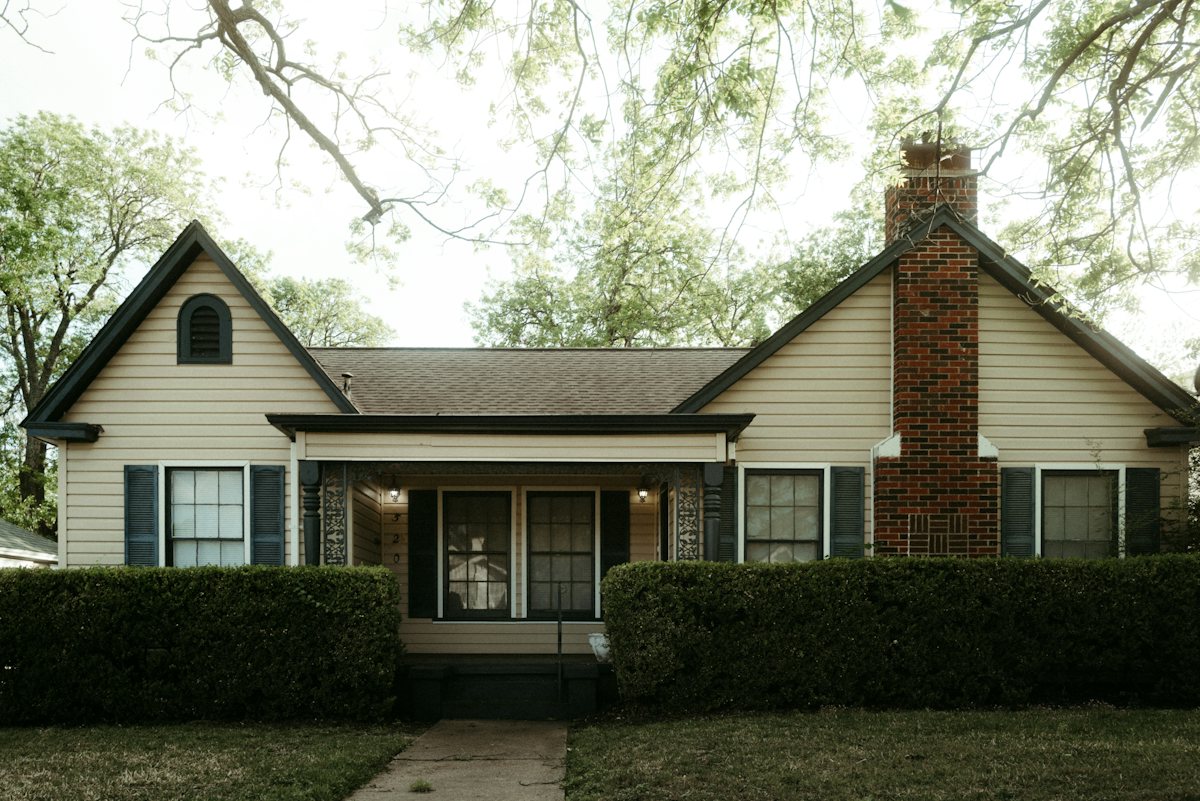
Older homes near downtown are often pier and beam. The Brick Streets Neighborhood Historic District south of the square, for example, is mostly homes built between 1890 and 1940, according to Historic Tyler. After that many decades, piers settle, wood sills rot where moisture collects, and floors sag between supports. See pier and beam foundation repair.
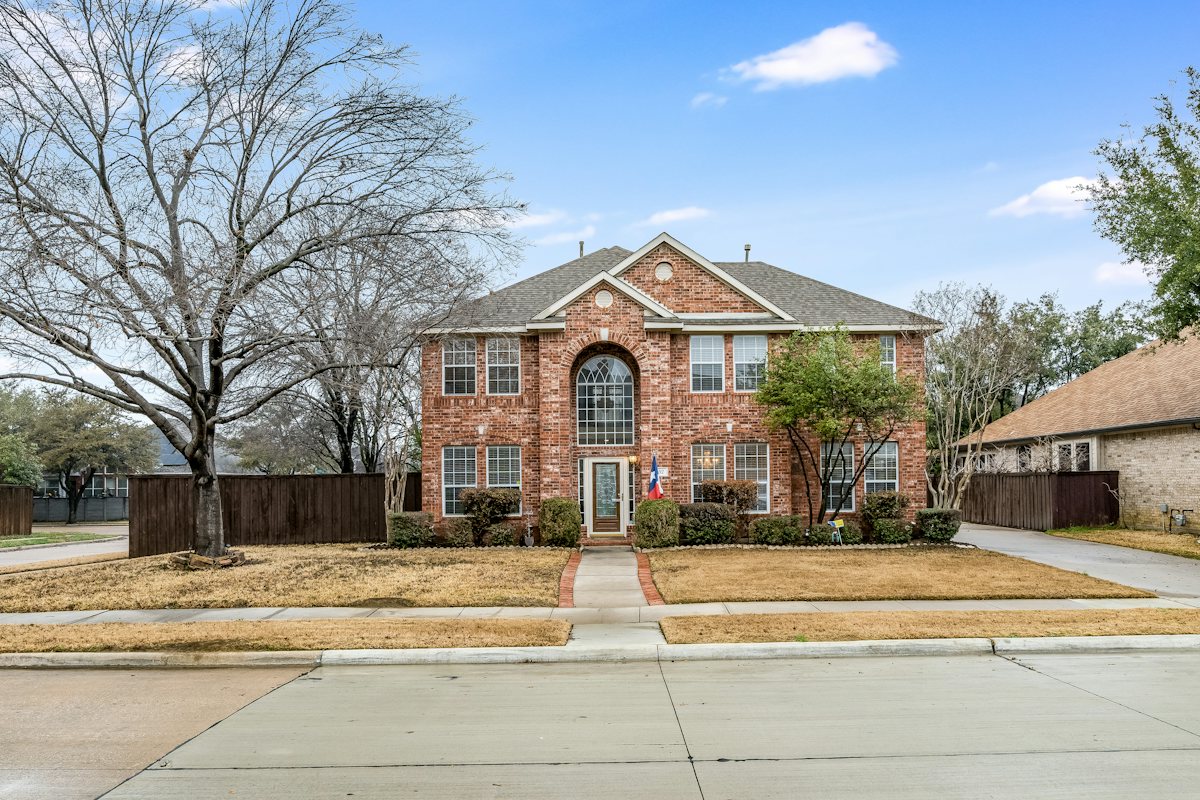
Ranch homes and newer subdivisions are mostly slab on grade. The average Tyler home was built in 1982, according to This Old House's Tyler foundation guide, which cites Census Bureau survey data. Slabs from that era have been through several drought cycles. The same guide notes that older homes are likely to have cast-iron plumbing, and a corroded drain leaking under a slab can soften the soil beneath it. See slab foundation repair.
Which signs mean you should have the foundation looked at?
None of these alone proves the foundation is failing, but two or three together are worth a visit:
- Doors that stick or won't latch, especially when they used to work fine
- Stair-step cracks in brick that follow the mortar joints
- Diagonal cracks in drywall running up from the corners of doors and windows
- Gaps between the wall and the ceiling, the trim, or a window frame
- Floors that slope enough to notice, or that feel bouncy or soft (common in pier and beam)
- Cracks in the slab that you can feel a lip on, where one side sits higher than the other
The signs of foundation problems guide explains which of these are normal for a house in East Texas and which aren't.
What does foundation repair involve?
It depends on the foundation type and the cause, but most jobs follow the same order:
- Find out why it moved. Drainage, a plumbing leak, a tree, or seasonal swelling and shrinking all call for different fixes. Lifting a house without fixing the cause sets up the next round of movement.
- Measure. An elevation survey records how far the floor has moved and in which direction, so the repair has a plan and a before picture.
- Support and adjust. Slabs are usually underpinned with piers driven or drilled down to firmer soil, then lifted. Pier and beam homes usually get new piers, shims, or replaced framing.
- Test the plumbing. Lifting can stress pipes. The Texas Section of the American Society of Civil Engineers' repair guidelines recommend leak testing water and drain lines when a repair includes lifting.
- Measure again and fix the drainage that caused it, so the repair holds.
How does local knowledge change a Tyler foundation repair?
Texas doesn't issue a state license for foundation repair contractors, as a Texas Senate bill analysis noted when a bill to create one was proposed. That makes it more important to check who you hire and to get the plan in writing. Engineers are different: they're licensed by the state, and the Texas ASCE guidelines say a Texas-licensed professional engineer should evaluate the foundation and design the repair when an engineer is involved.
Local knowledge also means knowing what the soil, trees, and drainage are doing on your lot. A repair designed around Tyler's sandy surface and clay subsoil, the pines and oaks close to the house, and the way rain runs off a sloped East Texas yard lasts longer than one that only lifts the low corner. The foundation inspections page covers when an engineer's report is worth paying for.
What affects the cost of foundation repair in Tyler?
Two houses with the same crack can end up with very different bills. The biggest factors:
- How much of the house needs support. A repair along one side costs less than underpinning the whole perimeter and interior.
- Slab or pier and beam. Crawl space access, rotted framing, and the number of piers all change the scope.
- Access. Driveways, patios, flower beds, and tight side yards add digging and restoration work.
- Engineering. An engineer's evaluation, repair plan, and final letter add cost, and many buyers and lenders want them.
- Plumbing. A leak found under the slab has to be fixed by a licensed plumber, often before the foundation work starts.
- Drainage work that goes with the repair, like gutters, grading, or a French drain.
For 2026 price ranges and what to compare between bids, see the foundation repair cost guide.
What happens after you call?
- Describe what you're seeing, which town the house is in, and roughly how old it is.
- An independent foundation contractor follows up to set a time to look at the house.
- The visit. Expect them to walk the outside, check the drainage and trees, look at the cracks, and take elevation readings.
- A written scope and price that lists where supports go, what kind, and what's included, so you can compare it with other bids.
- The work, with elevation readings afterward and a plumbing test if the house was lifted.
Tyler Home Foundation Repair doesn't do repairs itself. It's a local referral service, and the About page explains how that works.
Where do we work?
Foundation repair for homes in Tyler, Texas, across Smith County, and in nearby towns.
- TylerSmith County
- WhitehouseSmith County
- LindaleSmith County
- BullardSmith County
- FlintSmith County
- NoondaySmith County
- HideawaySmith County
- ArpSmith County
- ChandlerHenderson County
See the service areas page for how permits work inside and outside Tyler city limits.
What can you check before you call?
Some foundation worries turn out to be normal settling or a drainage fix you can make yourself. These guides walk through what to look for, how to water around the house in a dry summer, and what repairs cost:
Foundation repair cost in Tyler
2026 national price ranges, why Tyler quotes vary so much, and what to compare between bids.
Signs of foundation problems
Which cracks, sticking doors, and sloping floors point to foundation movement, and which are normal for an East Texas house.
Watering your foundation in a drought
How East Texas summers dry out the clay under a slab, and how to water around the house without overdoing it.
Frequently asked questions
Is foundation repair worth it, or should I sell the house as is?
Usually it's worth getting an evaluation before deciding. Many foundation problems are limited to one side of the house and cost far less than buyers assume. A written repair plan, and an engineer's letter if one is involved, also tends to make a house easier to sell than an unexplained crack.
Can a foundation be made perfectly level again?
Usually not, and a contractor who promises that is overselling. The Texas ASCE repair guidelines say it's unlikely that lifting will make a foundation level, because pushing too hard can crack the slab, walls, and finishes. The goal is to stabilize the house and bring it back within a reasonable range.
Does homeowners insurance cover foundation repair in Texas?
It depends on your policy and the cause. Settling and soil movement are commonly excluded. Damage caused by a plumbing leak has been treated differently: a 1997 Texas Department of Insurance bulletin said foundation damage from a covered plumbing leak was covered under the standard Texas policy of the time. Ask your agent what your policy says before work starts.
How long does a foundation repair take?
Many residential repairs take a few days of work once they're scheduled. Larger jobs, engineering, a plumbing repair that has to come first, or wet weather can stretch that out. Ask the contractor for a schedule in writing, including when the after-repair elevation readings will be taken.
Should I wait until the cracks get worse?
Not if they're changing. Mark the ends of a crack with a pencil and the date. If it grows over a few weeks, or doors keep getting worse, have it checked. Waiting can let a small problem on one side spread to more of the house.
Talk to a foundation contractor in Tyler
Call and describe what you're seeing, or send the form with a few details. An independent foundation repair contractor will follow up to set a time to look at the house.