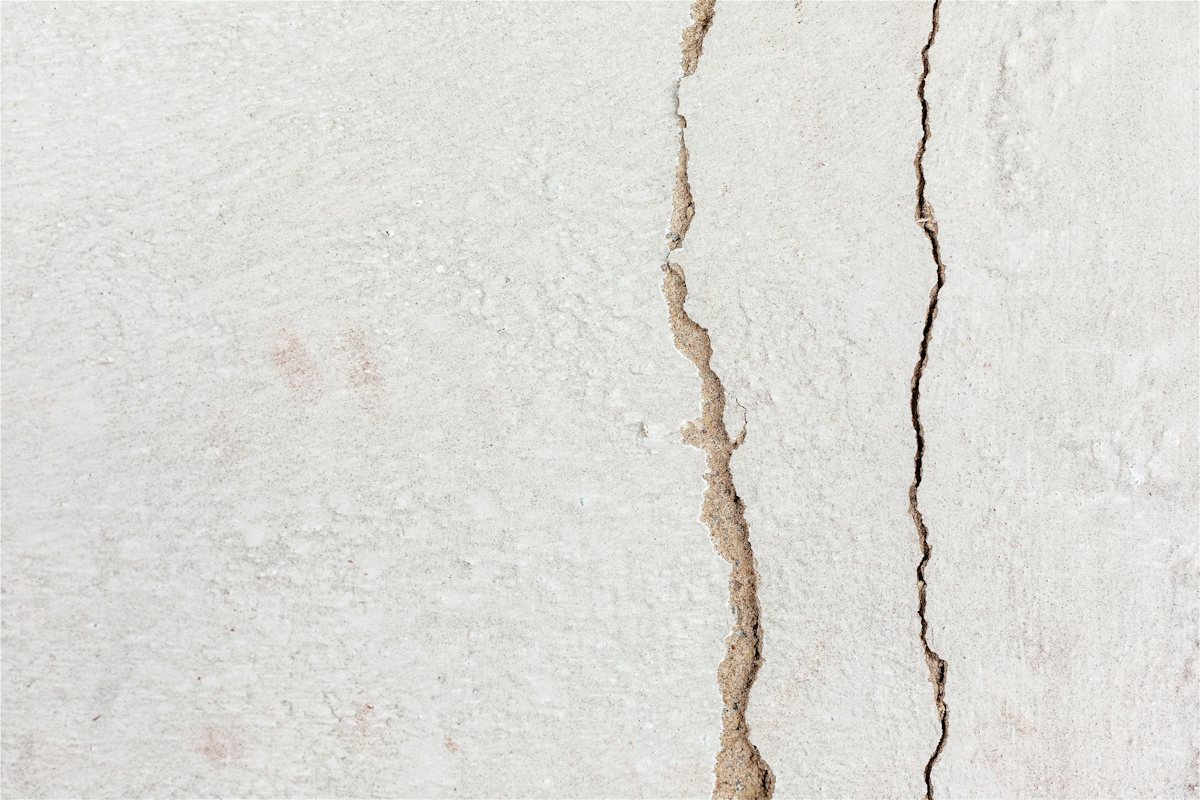
What does a foundation inspection check?
A thorough foundation inspection covers the whole house, not just the crack that worried you:
- The outside: drainage, gutters and downspouts, how the yard slopes, trees and shrubs near the walls, and the condition of the slab edge or perimeter beam
- Cracks in brick, drywall, tile, and the slab, including their direction and whether one side sits higher
- Doors and windows that bind or have uneven gaps
- Elevation readings across the floors to map high and low areas
- The crawl space, on pier and beam homes, for moisture, settled piers, missing shims, and rotted wood
- Signs of plumbing leaks, like wet spots, a high water bill, or a slab that's sinking in one small area
You should come away knowing what type of foundation you have, whether it has moved, the likely cause, and what the options are, including doing nothing for now.
Who can inspect a foundation in Texas?
There are three different kinds of visits, and they answer different questions.
A home inspector looks at the whole house during a sale. The Texas Real Estate Commission's inspection report form has a Foundations item under structural systems, and the form says the inspection is not a technically exhaustive inspection of the structure. A note about the foundation is a reason to look closer, not a diagnosis.
A foundation repair contractor evaluates the house with an eye to whether it needs repair and what that would involve. Texas has no state license for foundation repair contractors, so experience and references matter.
A structural engineer gives an independent opinion and can design a repair. Engineers are licensed by the state. The Texas Section of the American Society of Civil Engineers' residential foundation guidelines say a Texas-licensed professional engineer should visit the site personally and be in charge of the evaluation. More detailed evaluations include relative floor elevations and a scaled drawing showing which way the foundation has tilted or bent.
When do you need a foundation inspection?
A foundation inspection is worth scheduling in any of these situations:
- You're buying a house and the home inspector flagged the foundation
- You're selling and want to know what a buyer's inspector will find
- Cracks are new or growing, or doors that used to work have started to stick
- After a drought summer or a very wet season, when East Texas clay moves the most
- After a plumbing leak under the slab
- Before paying for a repair, as a second opinion on a contractor's plan
- After a repair, to confirm the work held
Why does Tyler's soil make inspections worth doing?
Many lots in Tyler have sandy topsoil over clay that swells and shrinks with moisture. Rain in Tyler swings from wet springs to dry summers, and in 2011 the city got just 24.97 inches for the whole year, according to the National Weather Service. A crack can open in August and partly close in December. An inspection that accounts for the season, the trees, and the drainage on your lot gives a truer picture than one look at one crack.
What affects the cost of a foundation inspection?
The price of a foundation inspection depends mostly on who does it and how much they measure:
- Who does it. A contractor's evaluation, an engineer's site visit, and an engineer's full report with a repair design are priced very differently.
- How detailed it is. A visual review costs less than one with an elevation survey and drawings.
- The size and type of house, and whether there's a crawl space to get into
- Plumbing testing, if a leak is suspected
- Follow-up, such as a post-repair survey or an engineer's final letter
Should you repair now, or monitor and fix the drainage first?
Not every crack needs piers. Sometimes the right answer is to fix the gutters and grading, water evenly through the summer, and watch whether the cracks grow. A good inspection says which category you're in. If a contractor recommends a large repair right away and you're not sure, that's exactly when an engineer's opinion pays for itself.
Frequently asked questions
My home inspector wrote "evidence of foundation movement." Is that bad?
It means the inspector saw signs worth a closer look. Many Texas houses have some movement. The next step is an evaluation by someone who specializes in foundations, and an engineer if you're deciding whether to buy.
Is a contractor's free inspection really free?
Some contractors evaluate at no charge, because they're hoping to do the repair. That's fine, but it's not independent. For a big repair or a purchase decision, get an engineer's opinion or a second bid.
How do I check whether a crack is still moving?
Mark both ends of the crack with a pencil line and the date, and take a photo with a ruler next to it. Check again in a few weeks. A crack that keeps growing, or doors that keep getting worse, means the house is still moving.
Should I fix the foundation before I sell?
Not always. Some sellers repair and hand the buyer the engineer's report and transferable warranty. Others disclose and adjust the price. An evaluation first tells you what you're dealing with so you can decide.
Talk to a foundation contractor in Tyler
Call and describe what you're seeing, or send the form with a few details. An independent foundation repair contractor will follow up to set a time to look at the house.