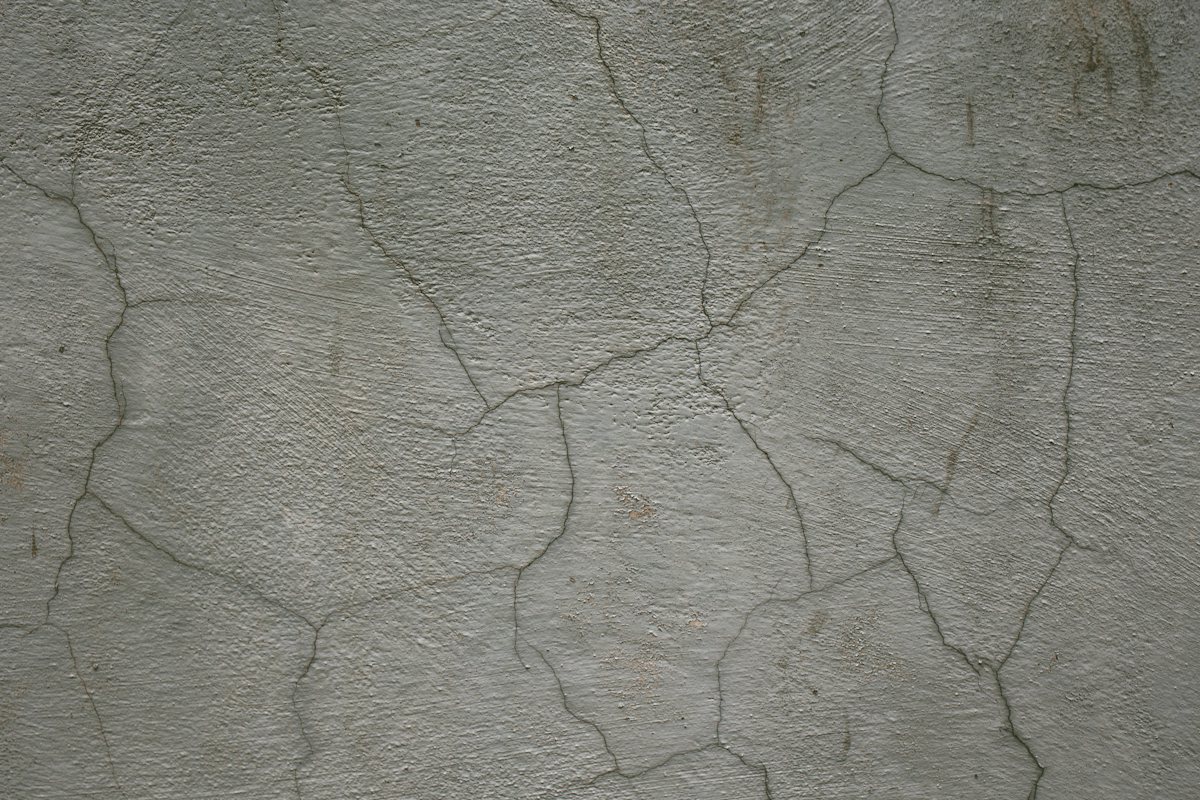
What does slab foundation repair involve?
Most slab repairs in Texas are some form of underpinning. Holes are dug along the edge of the slab, or through the floor inside, and supports are installed under the concrete down to soil that doesn't swing with the seasons. Common types include pressed concrete pilings, steel piers, and drilled concrete piers. Once the supports are in, the slab is jacked up in stages while someone watches the elevation readings, then set on the new supports.
The Texas Section of the American Society of Civil Engineers lists the main slab repair methods in its residential foundation repair guidelines:
- Underpinning, the supports described above
- Grouting, which fills voids under the slab to give it continuous support without much lift
- Mudjacking, which pumps grout under the slab to raise it
- Crack injection, usually epoxy, to restore stiffness across a crack
- Tendon stressing, for post-tensioned slabs whose steel cables have lost tension
A good slab foundation repair plan says which of these it uses, where, and why.
When does a slab need repair?
Look for movement, not just cracks. Slab foundation repair is about a foundation that has moved or is still moving, not about every crack in the concrete. Hairline cracks in a slab are common and often harmless. These are different:
- A crack in the floor or garage slab with one side higher than the other
- Doors that drag or won't latch, especially on one side of the house
- Stair-step cracks in the brick and diagonal cracks above door corners inside
- Gaps opening between baseboards and the floor, or between the brick and window frames
- A floor that slopes enough to feel, or a marble that always rolls the same way
- A slab edge separating from the brick ledge or the soil pulling away from it in summer
If several show up on the same side of the house, that side has probably dropped or risen.
Why do slabs crack and settle in Tyler?
The clay under the house shrinks and swells. Many Tyler lots have sandy topsoil over red clay. The clay swells in wet months and shrinks in dry ones. Under a slab, the soil near the edges dries out faster than the soil in the middle, so the perimeter tends to drop in drought and rise when it's wet.
One side gets drier than the other. A big oak or pine near one corner pulls water from the clay on that side. A downspout that dumps next to the foundation does the opposite.
Leaks under the slab. A water or drain line leaking under the house can soften the soil in one spot for months before anyone notices.
Construction. Fill dirt that wasn't compacted, a slab that's too thin for the soil, or poor grading from the start show up years later.
Why fix the cause before lifting the slab?
Because the same cause will move it again. A repair that lifts a corner without fixing the downspout that soaked it, or the leak that washed soil out, only resets the clock.
That's why a good contractor walks the outside of the house first, looks at trees and drainage, and asks about the water bill. The Texas ASCE guidelines also recommend leak testing water supply and drain lines whenever a repair includes lifting, because raising a slab can stress the pipes in it. If a leak turns up, a licensed plumber fixes it, usually before the foundation work starts.
What affects the cost of slab foundation repair in Tyler?
No two slabs are supported the same way, so prices vary more than most homeowners expect. The main factors:
- How many supports are needed, and whether they go only on the perimeter or inside the house too
- The support type and depth, which depends on the soil and the engineer's design
- Interior access, since breaking through tile or hardwood to reach the middle of the slab adds work and repair
- Engineering, if the repair is designed and checked by a licensed engineer
- Plumbing repairs found during testing
- Drainage work that goes with the repair
For 2026 national price ranges, see the foundation repair cost guide.
Should you repair part of the slab or the whole thing?
Most repairs support only the part of the house that moved. That's fine when the rest of the slab is stable, but it has a tradeoff the Texas ASCE guidelines spell out: areas that aren't underpinned won't improve, and the plan should say so. Ask the contractor to mark on a drawing which areas are supported and which aren't.
Replacing a slab is rare. Tearing out and pouring a new foundation under an existing house is a major project. NerdWallet's cost guide puts full foundation replacement at $20,000 to $100,000, so it's usually only considered when the slab itself has failed.
Frequently asked questions
How do I know if my house is on a slab?
If there's no crawl space, vents, or access door around the base of the house, and the floors are concrete under the flooring, it's a slab. Many ranch homes and newer subdivisions around Tyler are slab on grade.
What is a post-tensioned slab, and does it change the repair?
A post-tensioned slab has steel cables running through it that are tightened after the concrete cures. Many newer Texas homes have one. Never drill or cut into one without knowing where the cables are. If you see a warning about post-tension cables stamped in the garage floor, or the builder's paperwork mentions it, tell the contractor.
Will lifting my slab fix the cracks in the walls?
It often closes them partway, and doors usually work better. Some cracks won't close fully and need patching and paint afterward. Ask the contractor what cosmetic repairs are included and what's left to you.
Is a warranty on slab repair worth anything?
It's worth reading closely. Ask what it covers (the piers, or adjustments to the house), whether it transfers to a buyer, and whether it requires you to keep up watering and drainage. A warranty from a company that won't be around in ten years doesn't help much.
Talk to a foundation contractor in Tyler
Call and describe what you're seeing, or send the form with a few details. An independent foundation repair contractor will follow up to set a time to look at the house.